Product and design org
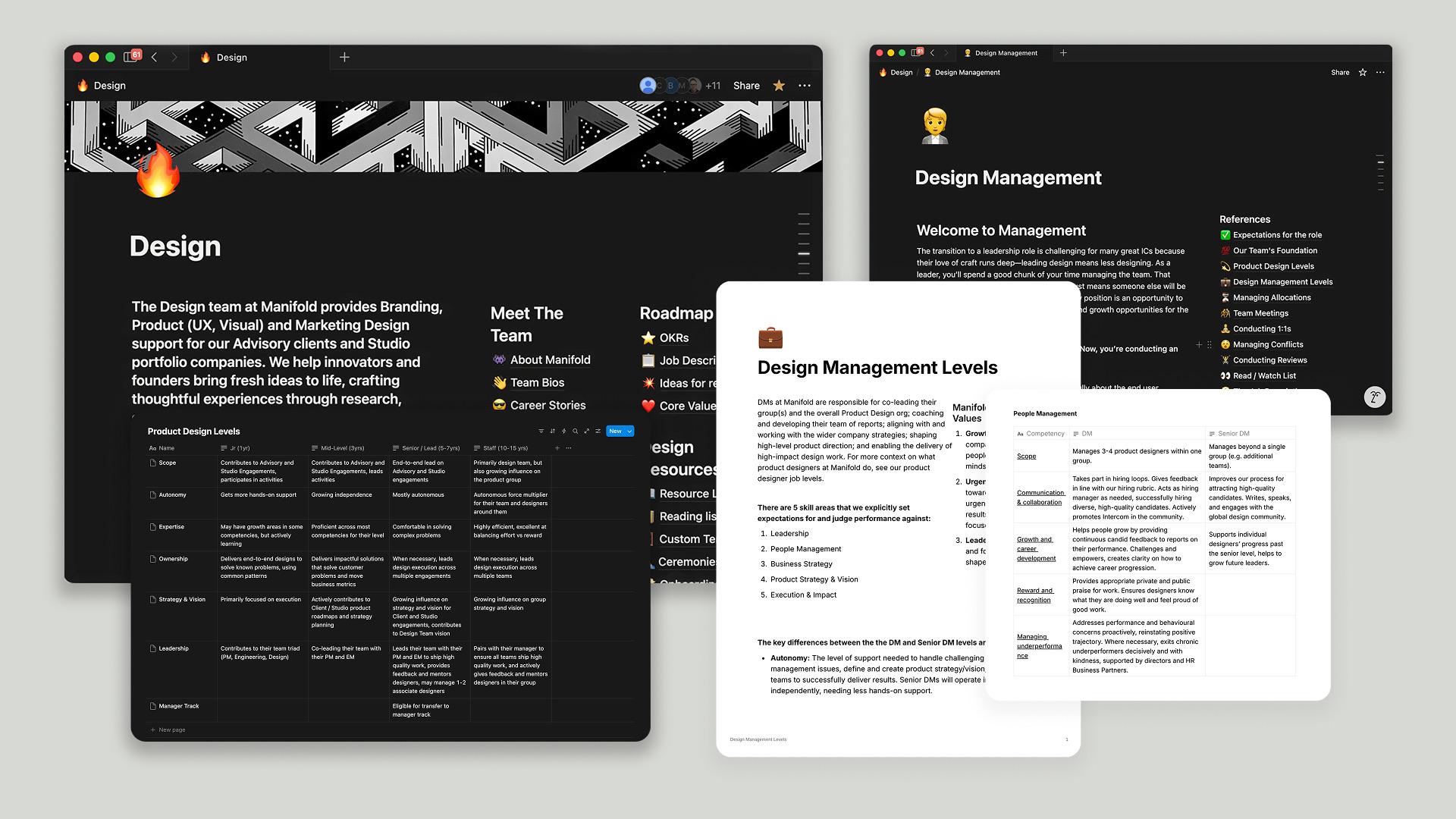
Grew and led the product and design org, with senior ICs and people managers across multiple teams.
← Back to work & projects / 01
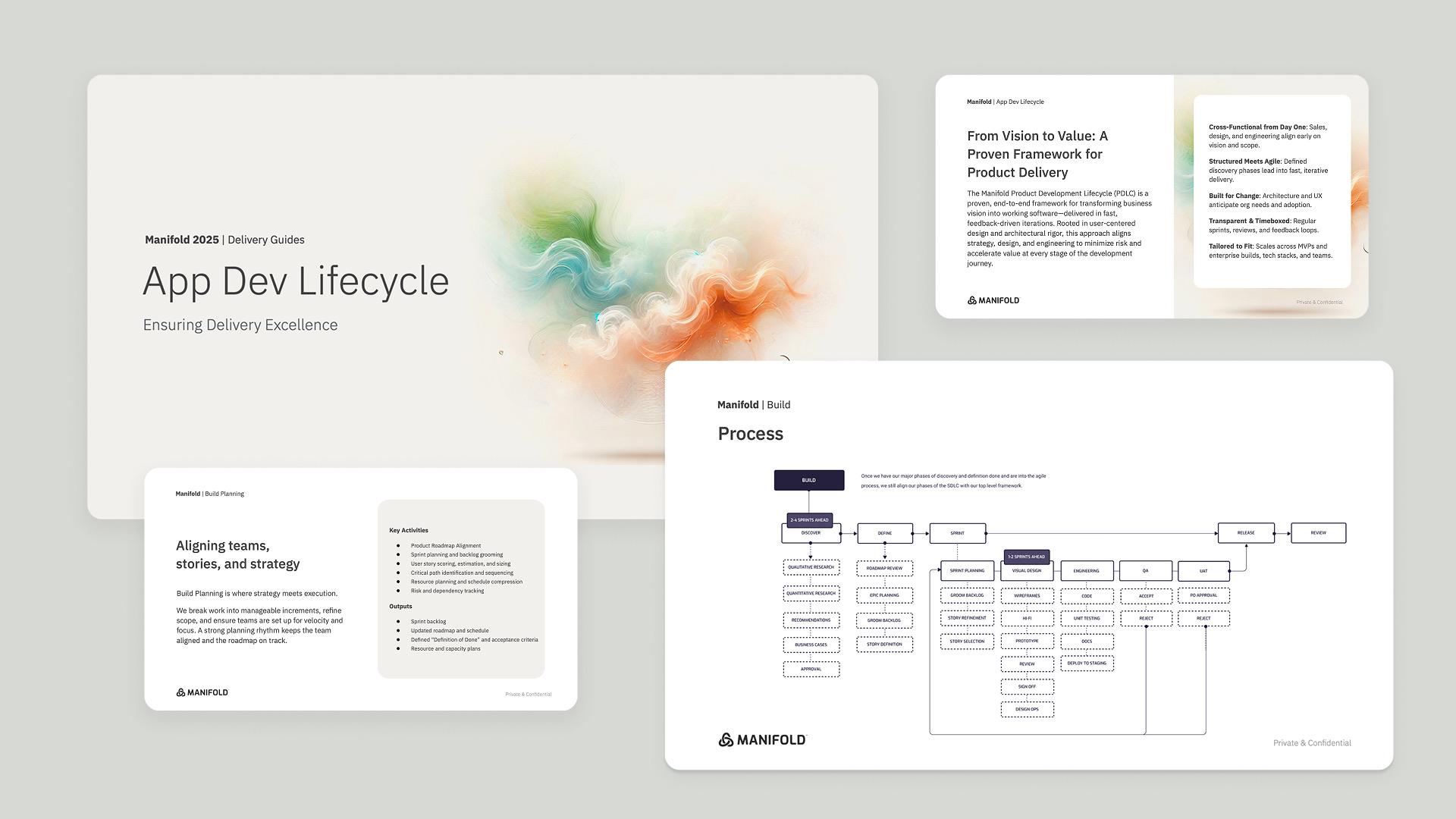
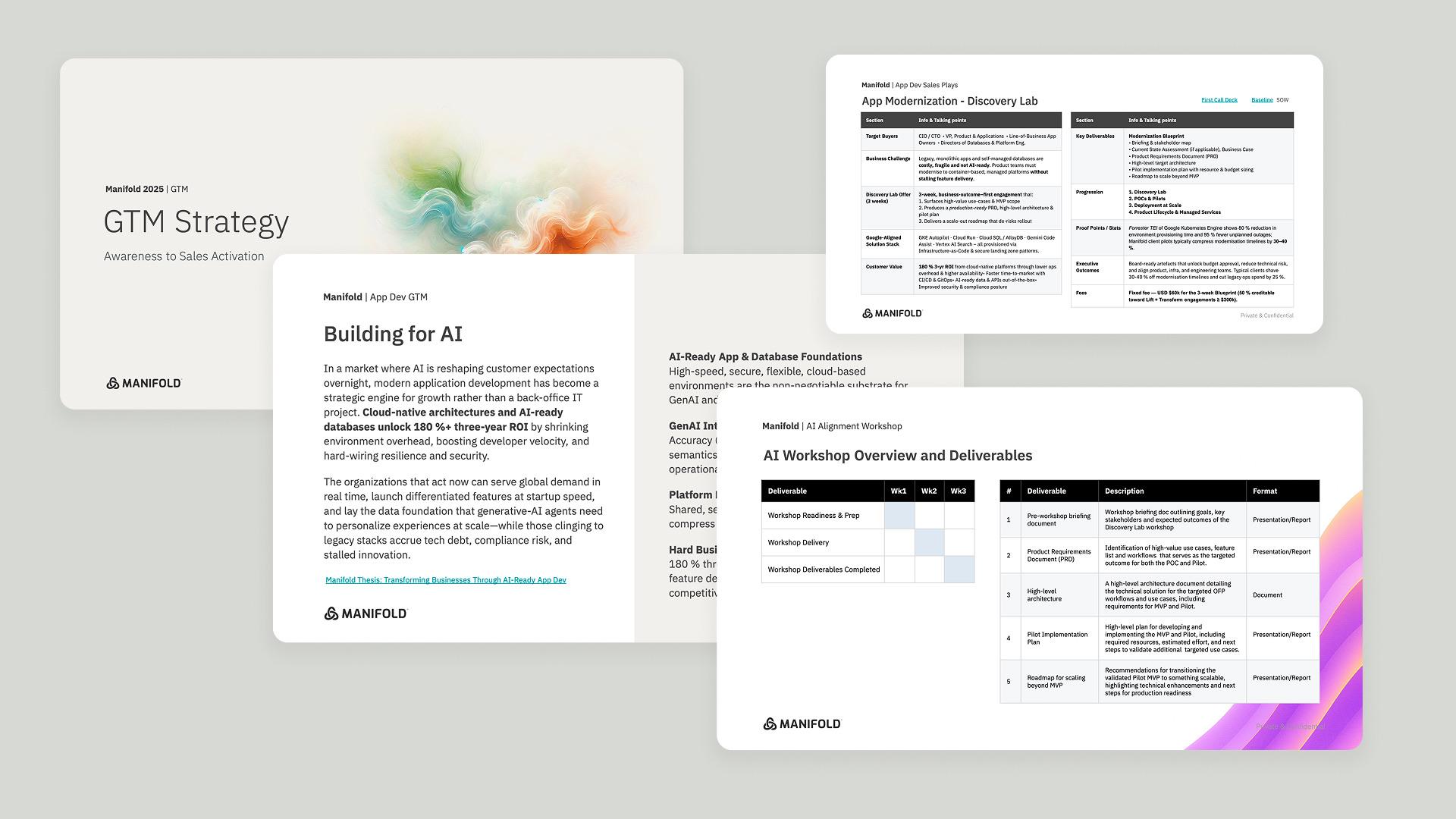
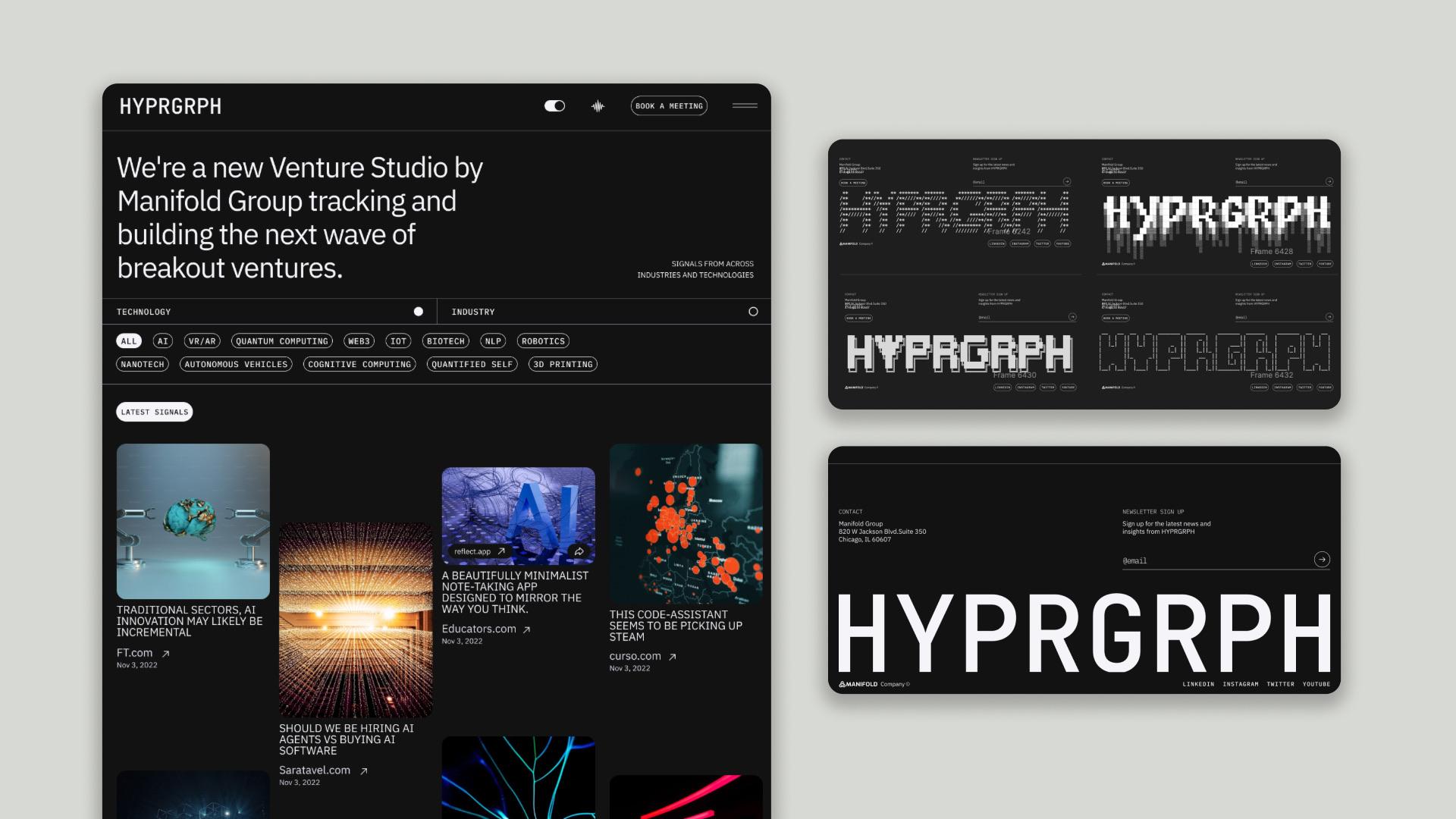
Over eight years at Manifold I worked with company leadership to build and grow the firm's design and product practices. We established internal rhythms and standards that shaped the culture and helped set the firm apart in its market. My work sat upstream of major engagements, where I helped clarify direction, frame problems and reduce the risk of decisions before large teams and budgets were committed. I led multi-year engagements for Lifepoint / Kindred Healthcare, KPMG, the Chicago Bulls and US Cellular, and founded Hyprgrph, the firm's internal venture studio. As AI changed how teams worked, I led a redesign of our program lifecycle around Activities, Artifacts and Accountability (AAA), which gave every function a common operating structure and a foundation for AI-enabled workflows.
Grew and led the product and design org, with senior ICs and people managers across multiple teams.
Led multi-year transformation engagements for Lifepoint, KPMG, the Chicago Bulls and US Cellular.
Rebuilt delivery around Activities, Artifacts and Accountability across internal, product and client work, from sales through program close.
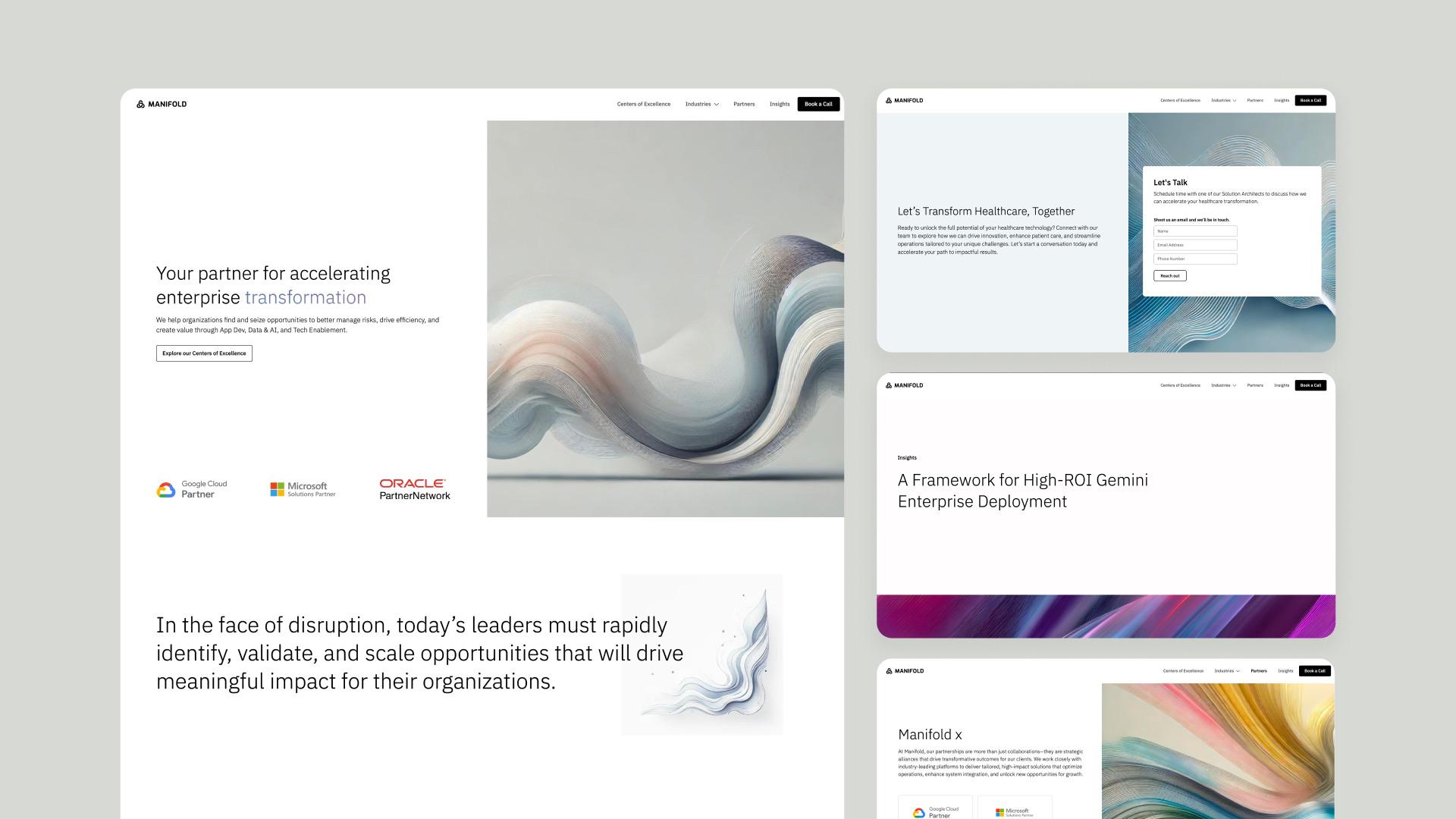
Led brand refreshes that aligned Manifold with enterprise clients and hyperscaler partnerships.
Founded Hyprgrph inside the firm. It launched two companies and had one exit.
Led the move to AI enablement across functions, with an explicit lifecycle and feedback artifacts as the foundation for connected workflows.
Operating model / AI enablement
Rather than layering AI tools onto existing processes, I led an effort to define the work itself: the activities that move an engagement forward, the artifacts that make progress tangible, and the accountability that connects decisions to execution. We called the framework AAA — Activities, Artifacts, and Accountability.
We mapped the full engagement lifecycle, from sales and discovery through planning, development, testing, deployment, support, and program close. Across internal, product, and client-facing streams, each stage established an owner and a concrete output. Discovery findings informed prioritization; sprint reviews and UAT generated feedback; release retrospectives and support records carried learning forward.
The model was designed to establish closed loops and create the structure needed for AI-assisted and, eventually, agentic workflows. It was a foundation for enablement — not a claim that every stage had already been automated.
An editorial abstraction of the full AAA framework. The source model specifies activities, artifacts, and accountable roles across multiple releases, including client reviews, UAT, retrospectives, support, and transition.
Next / 02
Lifepoint